.jpg)



Women and girls freed from Boko Haram face discrimination and rejection by their families and communities when they return home and need better support from the Nigerian government and NGOs, according to a new report.
As the military gain ground from the Islamic militant group, more women and girls, who have been subjected to sexual violence, are being released.
But when they get home, they are viewed with mistrust and suspicion, and do not receive adequate support to help them cope with the trauma of what they’ve experienced, according to the report, Bad blood: perceptions of children born of conflict-related sexual violence and women and girls associated with Boko Haram in north-east Nigeria, published on Tuesday by International Alert and the UN children’s fund, Unicef.
“These findings show a pressing need to do more to reintegrate those returning from captivity by Boko Haram. Many of these girls already face lasting trauma of sexual violence and being separated from their families, so we must ensure they get all the support they need when they finally return,” said Kimairis Toogood, peace building adviser for International Alert in Nigeria.
“If the needs of these survivors and returning populations are not met, these factors could add another dimension to an already complex conflict situation.”
Global development podcast Counting the cost of the Boko Haram crisis - podcast
Listen
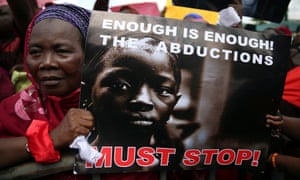
Since 2012, more than 2,000 women and girls have been abducted by Boko Haram, including more than 200 taken from their secondary school in Chibok, in Borno state in 2014. The kidnappings spawned the #BringBackOurGirls campaign, which attracted global high-level attention from the likes of Michelle Obama.